PRIORITIES
Residents of Melrose, Malden, and Wakefield deserve dedicated, professional, and unwavering elected leaders with a proven record of delivering for their community. Leila will be that leader: she has spent the past decade serving her community, working with neighbors and local organizations to strengthen Melrose and the surrounding region. As a City Councilor for 6 years, and President for her final two years on the Council, she has a deep understanding of the complex issues that affect municipalities.
With more than 25 years of experience in higher education, government and nonprofits, Leila has shown up and gotten results. She has led on the issues that matter, including the creating the first-ever Melrose Affordable Housing Trust, enacting tax relief for seniors, advocating for critical infrastructure projects, and supporting public schools.
On Beacon Hill, Leila will:
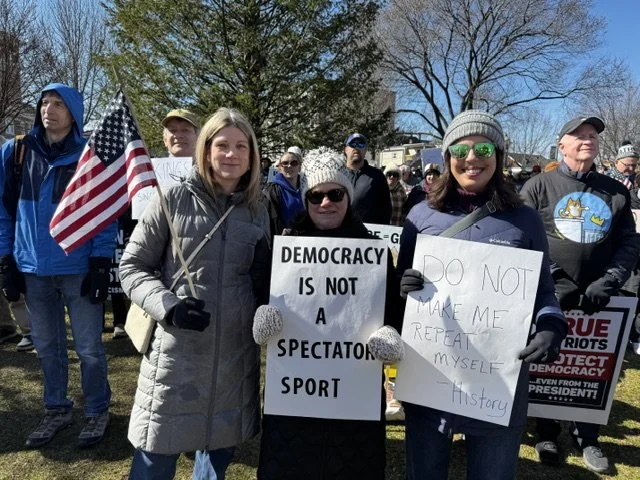
Defend Massachusetts from federal attacks on democracy
Increase affordability for seniors and families
Expand health care access and protect reproductive freedom
Advocate for strengthening public schools’ funding, protecting immigrant rights, and building more sustainable communities
Provide effective, responsive constituent services
-
Affordability means different things to different people, but the stress caused by an unaffordable region needs real and lasting solutions. As a mom with two school-aged kids, I understand this firsthand. Every time we leave the house as a family, it feels like we're spending over $100 on things that never used to be so expensive.
Policymakers on Beacon Hill must view every action through an affordability lens. Put simply: how can we work together to take action to make Massachusetts more affordable?
As your state rep, here's where I will start:
Fighting for free and universal early childhood care, starting with state tax credits to reduce costs.
Supporting policy measures to expedite the production of more housing and expand first-time homebuyer programs, which I did as a City Councilor with the creation of Melrose's first affordable housing trust.
Lowering prescription drug costs, implementing cost-containment measures, and taking on pharmacy benefit managers that drive up healthcare costs.
Reducing utility bills by diversifying our energy supply, cutting unnecessary charges, expanding consumer oversight, and utilizing targeted utility relief.
Working with municipalities to expand programs that provide tax relief to seniors, as I did on the Melrose City Council.
-
I am committed to protecting reproductive freedom, bodily autonomy, and health equity for my constituents and the entire Commonwealth. At a time when reproductive rights and women’s health are under attack at the national level, it is more important than ever to stand up to protect these rights, improve health outcomes, and support people most impacted by these disastrous national policies.
As your state rep, I will work to:
1. Strengthen and protect reproductive freedom through legislation that reinforces Massachusetts’ existing protections for abortion and contraception and maintaining/expanding shield laws that protect patients and providers from out-of-state investigations or legal actions.
2. Expand access and affordability of reproductive and maternal health care by advocating for broader insurance coverage and reducing cost barriers by expanding MassHealth eligibility and coverage.
3. Advance maternal health equity by prioritizing policies that address racial and socioeconomic disparities in maternal health outcomes.
4. Improve access to providers and modernize care delivery by investing in training and retaining OB-GYNs, midwives, and clinicians and expanding telehealth for medication abortion, contraception counseling, and prenatal/postpartum care.
5. Ensure comprehensive, inclusive sexual health education by supporting statewide standards requiring medically accurate, LGBTQ+ inclusive, culturally responsive sex education in public schools.
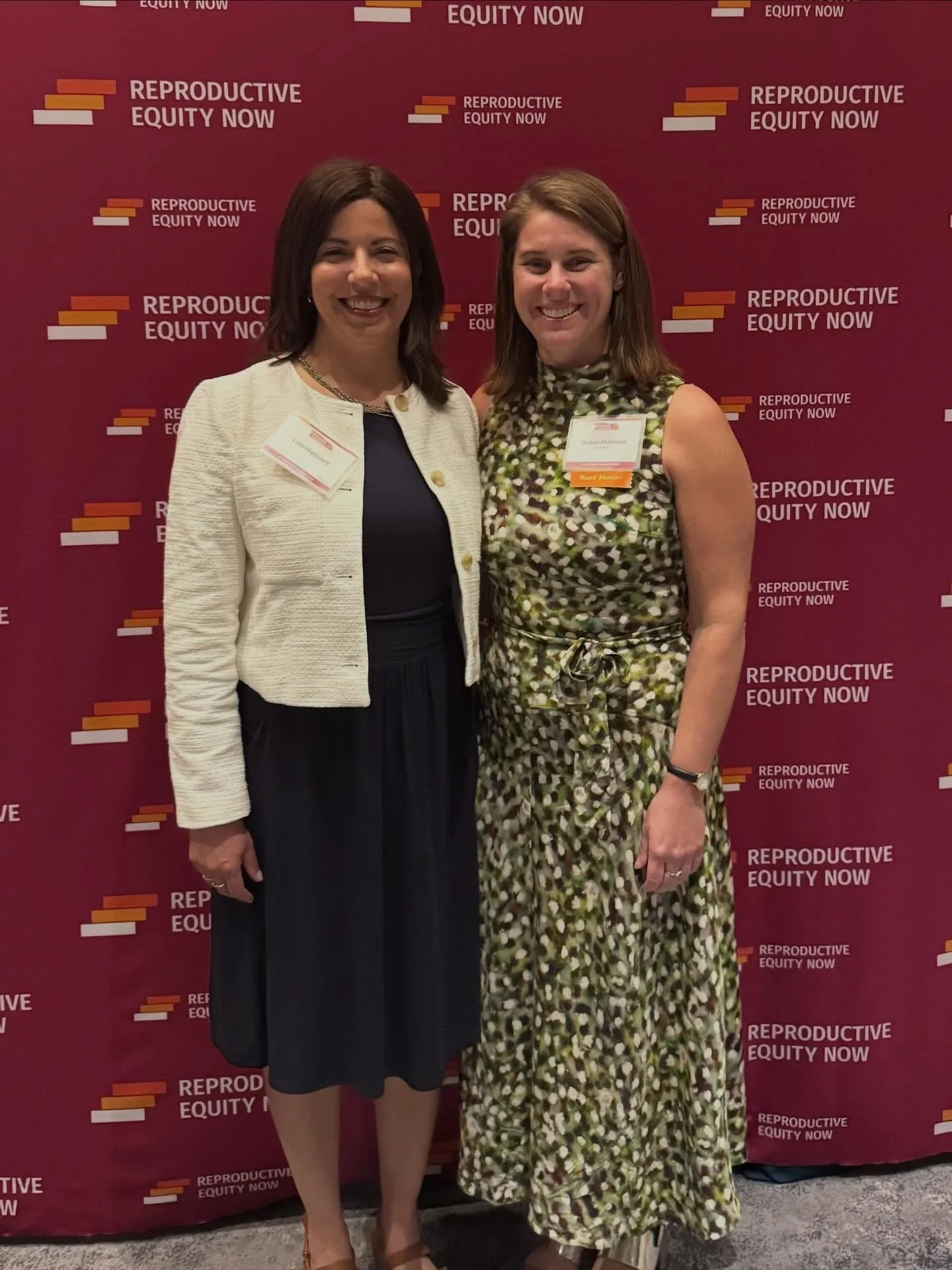
I am also honored to have received an endorsement from Reproductive Equity Now, a champion of providing access to reproductive health care and abortion resources across New England. Reproductive equity is about more than the legal right to abortion. It encompasses equitable access to the full range of reproductive health care, resources, and supports related to bodily autonomy, family planning, and healthy communities.
-
Strong support for public education is a deeply held, personal value of mine. I am a product of Massachusetts public schools. My two children have attended the Melrose Public Schools since kindergarten, and every year I see the growing importance that a public school education has had on their lives. At the same time, during my tenure leading the Melrose City Council, I witnessed firsthand–and worked to overcome–the budgetary pressures our schools too often confront. I have successfully advocated for increased funding for education, and personally campaigned for three local overrides during my time in Melrose; the most recent of which passed in 2025 with over 60% support of voters. Local support is critical, and we also need strong advocates at the state level.
If elected as your State Representative, I will continue to fight for our schools. With so many communities seeking overrides to provide level services in their schools, we need to re-examine the Chapter 70 formula more closely. We can do this at the state-level by focusing on correcting outdated formula mechanics to fix the inflation glitch, reevaluating minimum per-pupil aid, and modernizing required local contribution calculations. Ensuring equity for students is also a top consideration, as current aid calculations underestimate costs for English learners, low‑income students, and students with disabilities.
While the state is taking steps to expand access to postsecondary education, we must also ensure that students are prepared for postsecondary success, in many forms. Supporting school districts to provide universal access to advanced coursework, career pathways, and early college so that they can succeed in an increasingly competitive job market should be a goal for our state. In order to achieve these goals, I will advocate to increase funding for these areas.
As the pressures and challenges mount regarding the role that technology and artificial intelligence have in our educational system, we must support schools in balancing these challenges to protect our children’s privacy when accessing technology. While the state has made good strides in this area, moving forward we need leaders who can continue to adapt as technology changes to ensure our schools take a measured and supportive approach to technology.
Finally, educational autonomy is essential to effective schooling. All students — especially students of color and LGBTQ+ students — deserve accurate, affirming representation in the curriculum. A culturally responsive curriculum centers diverse voices, histories, and ways of knowing so marginalized students see themselves reflected and can fully engage with rigorous academic content. Protecting districts’ authority to choose instructional materials prevents censorship and safeguards both the academic and emotional well‑being of every student.
I believe public education is the foundation of a healthy democracy and can be a pathway to success for our children, K through 12 and beyond, and I will also put our schools first.